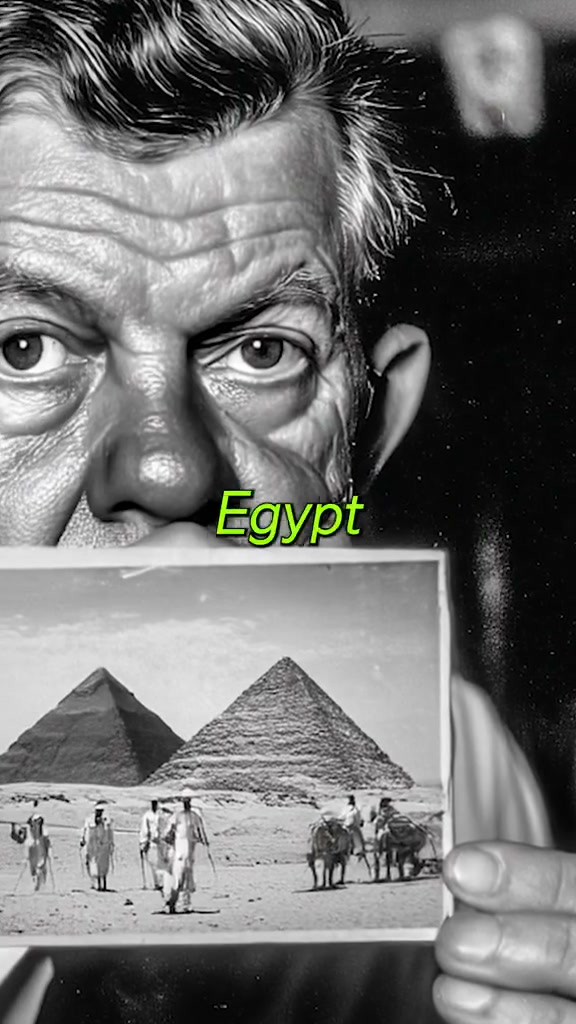
Chris sent a Facebook Reel from DoctorFiction1 that sounds like an alien-adjacent mystery story: a government captures a native Antarctic person or “Agarthean,” interrogates him about a hidden country, shows him pyramid photographs, and links the reaction to an Egyptian phrase meaning “old friend.” It belongs in the UFO/aliens watch-list lane — but it should be filed as speculative fiction and media culture, not evidence.
Watch-list source
Source: Facebook Reel by DoctorFiction1, public page, captured May 2026. The clip is preserved here as a media-culture prompt because it mixes Antarctica, Agartha-style hidden-world lore, pyramids and ancient-Egypt references.
What the Reel claims
The transcript describes a government that has allegedly studied a “rogue country within Antarctica” for decades. It says officials captured one of the native people, expected him to speak an uninterpretable language, and sent in a linguistic expert named Pete Richards. The detainee stays silent until shown pyramid images from both the alleged Antarctic country and ancient Egypt. The punchline is that he says a word translated as Egyptian for “old friend.”
That is a compelling story structure. It has mystery, secret geography, ancient architecture, a silent witness, an expert translator, and a final reveal. It also has no inspectable record in the Reel: no document, agency file, named archive, research paper, expedition record, chain of custody, or verifiable interview source.
Why the label matters
The account name DoctorFiction1 is itself a major context clue. Even if the clip is presented with documentary-style visuals, the safest reading is fiction, dramatized lore, or speculative entertainment. Managing Expectations can still catalog it, because these stories shape the UFO/alien media ecosystem — but the site should not treat the plot as a historical claim.
The important distinction is not whether the story is interesting. It is. The distinction is whether the story provides evidence. A viral Reel can be a useful source for what people are imagining, sharing, and believing. It is not automatically a source for what happened in Antarctica.
Viewer checklist
- Source identity: Is the account a fiction, entertainment, documentary, or news account?
- Primary records: Are any actual agency documents, expedition records, or archive files named and linked?
- Language claim: Who verifies the alleged Egyptian translation, and where is the original phrase?
- Image provenance: Are the pyramid images sourced, dated, and authenticated?
- Category discipline: Is a mythic or fictional story being treated as proof of aliens, hidden civilizations, or secret programs?
Bottom line
This is good material for the Managing Expectations aliens/UAP section because it captures the kind of story that travels quickly online: ancient Egypt, Antarctica, hidden people, and secret agencies. But the correct label is fiction-first media culture. Treat it as a prompt for source discipline, not as evidence of Agartheans, Antarctic pyramids, or extraterrestrial contact.
UAP / UFO Research: People, Films & Sightings
Continue the Managing Expectations series on public records, media claims, official files, and source-literate UAP research.
Back to UAP Topic