Health / aging well / functional markers / source check
8 Signs a 65-Year-Old Is Aging Well: Marker-by-Marker Source Check
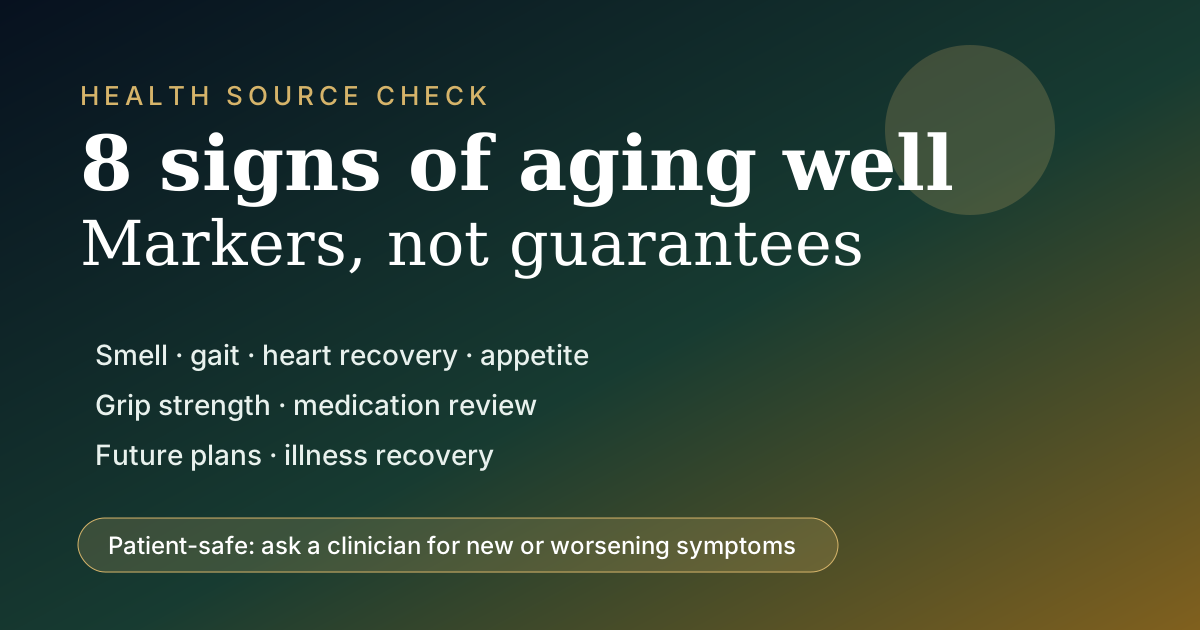
The useful read is: these are watch-signs, not guarantees. Smell, walking speed, heart-rate recovery, appetite, grip strength, medication burden, future plans and recovery from illness can all say something about reserve after 65 — but none of them should be used as a home diagnosis or a scorecard for how long someone will live.
Medical caution: This article is educational only. It does not diagnose, treat or replace a licensed clinician. New loss of smell, unexplained appetite or weight loss, falls, chest pain, fainting, shortness of breath, rapid functional decline, confusion, medication side effects or slow recovery after illness should be discussed with a qualified health professional.
Best-supported markers
Walking speed, grip strength and heart-rate recovery have strong cohort evidence as broad health/frailty/cardiovascular markers.
Useful but nuanced
Smell loss, appetite, future plans and illness recovery are meaningful signals, but they can change for many reasons.
Do not overcorrect
Fewer medications is not always better. The target is appropriate prescribing and regular review, not stopping necessary medicines.
The eight signs and the supporting reports
- Sense of smell. The video’s home smell-test idea maps onto real olfactory-aging literature. A major NSHAP study found olfactory dysfunction predicted five-year mortality in older adults, but smell loss can also come from infection, sinus disease, medications or other non-dementia causes. Supporting report: Pinto et al., PLOS ONE / PubMed.
- Walking speed. This is one of the strongest items in the video. Studenski et al. pooled nine cohorts of older adults and found gait speed associated with survival; gait speed is useful because it integrates strength, balance, pain, heart-lung reserve and cognition. Supporting report: JAMA / PubMed.
- Heart-rate recovery. Faster recovery after exertion generally suggests better cardiovascular/autonomic fitness. The classic NEJM study found delayed one-minute heart-rate recovery after graded exercise independently predicted mortality. Supporting report: Cole et al., NEJM / PubMed.
- Good appetite. A good appetite can be a reassuring vitality signal; loss of appetite in older adults can precede malnutrition, frailty or illness. The careful action is to track appetite alongside weight, protein intake, dental/swallowing problems, mood and medication effects. Supporting report: ICFSR task-force report.
- Grip strength. This is a marker of whole-body muscle reserve, not just hand strength. The PURE study linked lower grip strength with higher all-cause and cardiovascular mortality, while cautioning that observational data do not prove grip training alone extends life. Supporting report: Lancet / PubMed.
- Fewer medications. The video’s point needs the most careful wording. Too many unnecessary medicines can be harmful, but appropriate medicines can be life-saving. The right takeaway is a periodic medication review with a clinician or pharmacist. Supporting report: polypharmacy review.
- Future plans and adaptability. Having plans, purpose and flexible goals is a real healthy-aging signal. A Health and Retirement Study analysis found stronger purpose in life associated with lower mortality in adults over 50, but the evidence is observational. Supporting report: JAMA Network Open / PubMed.
- Quick recovery from illness. Recovery speed is a practical resilience marker. A slow return after infection, surgery, a fall or hospitalization should trigger support: nutrition, strength/balance work, sleep, medication review, rehab and medical follow-up. Supporting report: older-adult resilience after critical illness.
Practical action list
- Track changes over time rather than judging one bad day.
- Use walking speed, stairs, chair stands and grip as prompts to protect strength and balance.
- Ask for a medication review before assuming more or fewer pills is automatically better.
- Protect protein, calories and hydration if appetite drops.
- For most adults 65+, CDC recommends weekly aerobic, muscle-strengthening and balance activity, adapted to ability and medical conditions. CDC older-adult activity guidance.
Source package
- Doctors of Ojais video plus preserved timestamped transcript and metadata.
- Managing Expectations source note and claim table with all additional report links.
Commercial-context note: the YouTube description links to Ojais Wellness stores, a free download and newsletter. That does not invalidate every claim, but it matters for source literacy.