Dr. Michio Kaku’s long Diary of a CEO interview is exactly the kind of source Managing Expectations should cover carefully. It is full of fascinating possibilities: life beyond Earth, UAPs, string theory, quantum computers, AI agents, telomerase, simulation arguments, ghosts, auras, and consciousness. The trick is not to flatten those ideas into either hype or ridicule. The discipline is to ask: what is established, what is expert opinion, what is plausible but unproven, and what is speculation?
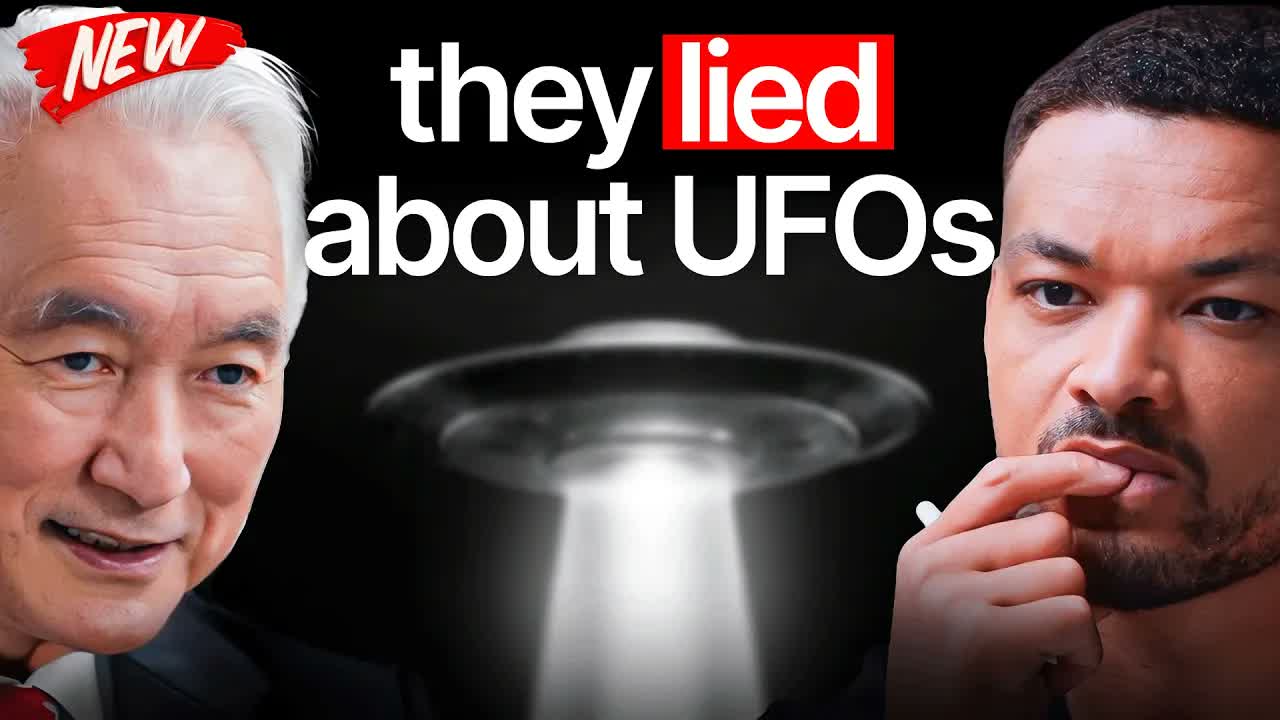
World-Renowned Physicist: You've Been Lied To About Reality! - Michio Kaku
Long-form interview used as a commentary source. The transcript and metadata were captured locally so the interview can be checked against primary sources instead of relying on the title alone.
Watch source interviewThe useful frame
Kaku is valuable here because he often speaks in layers. He can say life elsewhere in the universe is likely while still pointing out that visiting Earth is a much harder claim. He can treat UAP reports as worthy of attention without saying every strange sighting is extraterrestrial. He can discuss quantum-computing risk without providing a date when every bank, wallet, or encrypted system breaks. That layered thinking is the Managing Expectations standard.
Managing Expectations standard
Curiosity is not gullibility. Skepticism is not dismissal. The right move is to preserve the question while refusing to promote a conclusion before the evidence supports it.
Claim map: what belongs in each bucket
- Established public fact: NASA has a public UAP information page and an independent study report. Those sources do not claim extraterrestrial proof; they emphasize better data, transparency, and scientific standards.
- Expert opinion / science communication: Kaku’s comments about alien life, interstellar travel, and physics are expert framing, not physical evidence of visitation.
- Technical risk needing source checks: Quantum computers may threaten some public-key cryptography; NIST has already released post-quantum encryption standards. That supports concern, but not every dramatic “all banks break tomorrow” version of the claim.
- Medical claim requiring caution: Telomeres and telomerase are real biology, and cancer genetics is a real field. But “immortality” language should not be turned into medical guidance or a promise of near-term human life extension.
- Philosophy / speculation: Simulation theory, ghosts, auras, consciousness, religion, and meaning can be discussed, but they need careful labeling unless tied to testable evidence.
UAPs and aliens: likely life is not proven visitation
The interview’s UAP and alien-life sections fit the existing Managing Expectations UAP series. A scientist can reasonably argue that a galaxy with vast numbers of stars and planets makes life elsewhere plausible. That is not the same as proving non-human craft in Earth’s atmosphere. NASA’s UAP material is useful here because its public position is evidence-disciplined: collect better data, apply scientific methods, and avoid jumping from “unidentified” to “extraterrestrial.”
Quantum computers: serious issue, not instant apocalypse
The interview also raises the familiar concern that powerful quantum computers could break important cryptographic systems. That concern is serious enough that NIST has finalized post-quantum encryption standards. But a Managing Expectations article should avoid turning a real technical transition into panic. The stronger phrasing is: quantum computing is a credible long-term security issue, and institutions are already migrating toward post-quantum standards.
Immortality and telomerase: source-review only
Kaku’s longevity comments are attention-grabbing because telomeres and telomerase do connect aging biology and cancer biology. But this is where the health-claims rule matters: do not publish medical promises, dosing ideas, protocols, or “try this” language. The public-facing angle should be source review only: what the interview claims, what cancer genetics and PubMed-indexed research say, and what remains unresolved.
Big claims do not become false just because they sound strange. They also do not become true just because a famous person says them. They become stronger only when the source trail improves.
Best article angle
The best public version is not “Kaku says reality is fake” or “Kaku proves aliens.” The better article is about method: how to listen to a serious scientist discuss extraordinary possibilities without confusing possibility, plausibility, expert opinion, and proof.
Sources and local files
- The Diary Of A CEO: Michio Kaku interview
- Local source card for this interview
- Local transcript captured for review
- NASA UAP public information page
- NASA UAP Independent Study Team Final Report
- NIST: first finalized post-quantum encryption standards
- National Cancer Institute: genetics of cancer overview
- PubMed search: telomerase, cancer, and aging
Keep the question, label the evidence
Continue the Managing Expectations series on science, public records, AI, health claims, and extraordinary ideas handled without hype.
Open UAP / UFO topic