Energy / transportable nuclear / SMR / Indigenous ownership / New Brunswick
Prodigy’s Belledune TNPP: Indigenous-Owned Nuclear Proposal, Not a Built SMR Yet
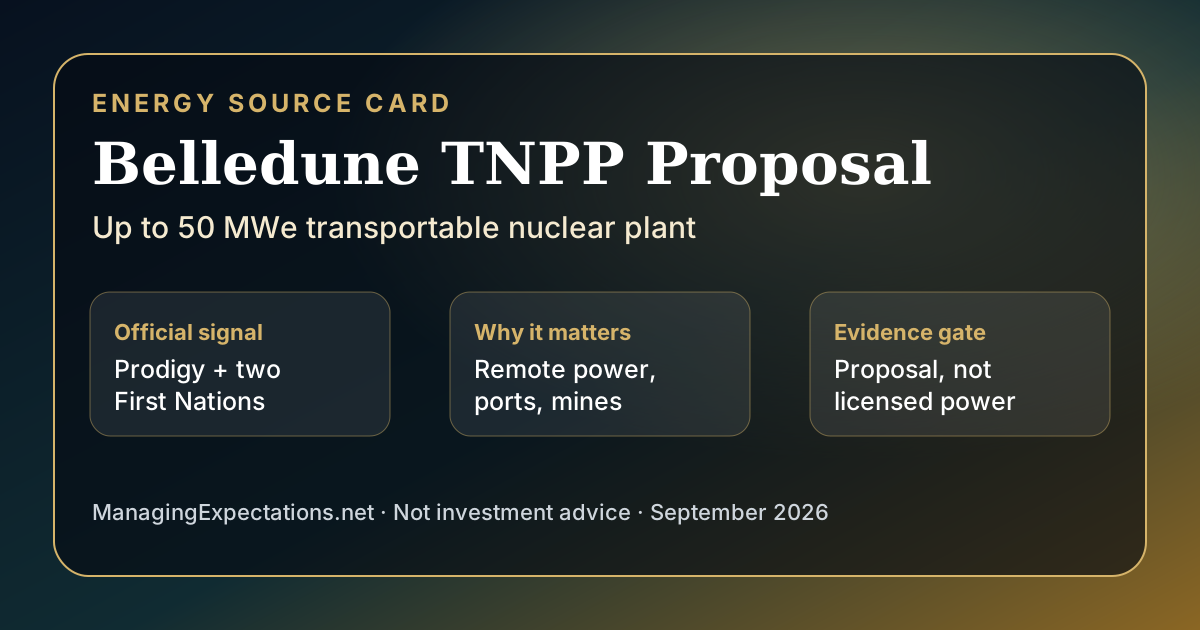
The useful headline is not “Canada has a transportable nuclear plant.” The source-backed headline is narrower: Prodigy Clean Energy, Pabineau First Nation and Eel River Bar First Nation announced a proposal for an Indigenous-owned, up-to-50 MWe transportable nuclear power plant in Belledune, New Brunswick.
That is a real firm-power and energy-sovereignty signal. It connects SMRs, remote communities, ports, defence installations, critical minerals and industrial heat into one Canadian project. But the evidence gate is still early: proposal, partnership and support language, not CNSC licensing, construction, fuel loading or delivered electricity.
Official anchor
Prodigy’s September 1 release says the partners plan an up-to-50 MWe TNPP within the traditional territory of Pabineau and Eel River Bar First Nations.
Demand signal
Prodigy says New Brunswick signed a Letter of Intent to offtake the generated electricity and notified NRCan of support for federal Major Projects Office consideration.
Expectation check
Next gates include site work, reactor-technology selection, Licence to Prepare Site preparation, a qualified operator/licensee and Final Investment Decision.
What changed
Prodigy’s official release describes the Belledune project as a pilot intended to validate transportable nuclear logistics and operations, with First Nations ownership and a possible commercial blueprint for Canada’s North and export markets. The company says peak output could supply clean baseload energy for up to 40,000 homes and targets in-service operation in the early 2030s.
The proposal also includes a campus concept: a centralized operations and maintenance hub for a future northern TNPP fleet, training facilities, and an Indigenous Energy Innovation Visitor Centre. BWXT Canada and Kinectrics are named as strategic collaborators for licensing and supply-chain development.
World Nuclear News reported the same core announcement and emphasized that Prodigy describes TNPPs as purpose-designed, marine-fabricated buildings qualified to house operating reactors — not simply barges with reactors onboard.
Why it matters for the Energy watch
- Remote mines and northern communities need firm power before “electrification” becomes more than a slide deck. Transportability targets the construction and logistics bottleneck.
- Ports and coastal industry are becoming part of the SMR conversation because siting, transmission and heavy-load reliability are now strategic constraints.
- Indigenous ownership and consent are central here, not decorative. The project’s public legitimacy will depend on community due diligence, environmental answers and transparent economics.
- For uranium and fuel-chain watchers, the signal is strategic but indirect. A proposal does not create immediate uranium demand or prove any public-company thesis.
Cautions
Do not overclaim this as a construction start, CNSC licence, selected reactor technology, operating plant, final financing, final Indigenous/community approval, or guaranteed early-2030s in-service date. The official source itself points to major gates still ahead: proponent organization, site selection and characterisation, reactor down-selection, licensing preparation, operator/licensee procurement and Final Investment Decision.
CBC’s New Brunswick reporting adds the necessary fairness check: residents and First Nation representatives still have questions about safety, land, water, hunting, fishing, berry-picking, environmental impacts and ratepayer risk. Those questions belong in the story before anyone treats transportable nuclear as solved.
Not investment advice: SMR developers, uranium miners, fuel-cycle suppliers, nuclear-service companies and data-center firm-power narratives can be volatile. This source card is public-interest infrastructure research, not a recommendation to buy, sell or hold any security.
Primary and reporting sources
- Prodigy Clean Energy — Pabineau First Nation, Eel River Bar First Nation and Prodigy Clean Energy to Deploy Canada’s First Transportable Nuclear Power Plant (official release, September 1, 2026).
- World Nuclear News — Proposal for Canadian marine-based SMR plant (trade reporting, September 1, 2026).
- CBC New Brunswick — 2 N.B. First Nations explore nuclear power project on traditional land (mainstream/community context).
- Managing Expectations source note and checked leads.