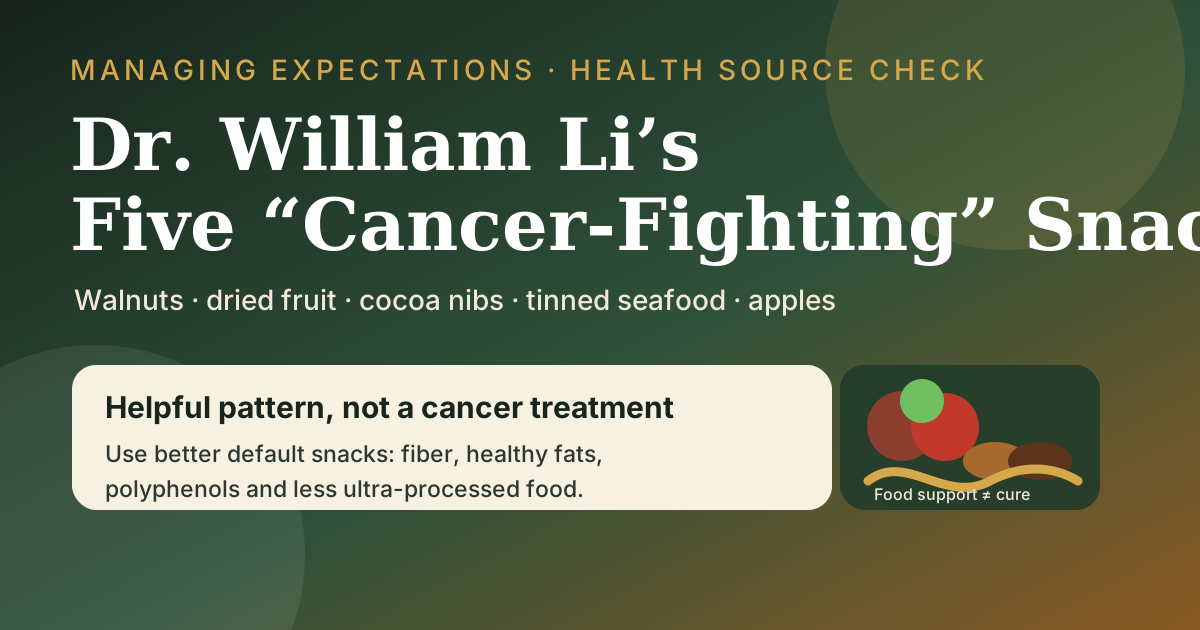
Chris sent Dr. William Li’s YouTube video, “5 Great Snacks That Fight Cancer & Beat Disease.” The video is useful when heard as a practical nutrition prompt: swap ultra-processed snacks for foods with fiber, healthy fats and polyphenols. It becomes unsafe if heard as “snacks treat cancer.” These foods are not cancer treatment.
Medical caution
This article is health-media literacy, not medical advice. If someone has cancer or symptoms that might be cancer, food choices do not replace screening, diagnosis, surgery, chemotherapy, radiotherapy, immunotherapy, medication, surveillance or oncology care. Major diet changes during treatment should be discussed with the care team.
What the video says
Li explains cancer as a process the body may suppress through several “health defense” systems, then gives five snackable foods he likes: walnuts, dried fruit, cocoa nibs, tinned seafood and apples. His repeated theme is inflammation, angiogenesis, metabolism, the gut microbiome and polyphenols.
The safer translation: these foods are better everyday choices than candy, processed snacks, alcohol-heavy routines or low-fiber diets. They are not magic and they do not cancel risk from tobacco, alcohol, obesity, age, genetics, infections, environmental exposures or delayed screening.
The five foods, with evidence boundaries
- Walnuts. Reasonable choice. Walnuts provide unsaturated fats, fiber and polyphenols. Nut intake is often associated with better cardiometabolic patterns and may support lower inflammation. That is not the same as proving walnuts prevent or treat cancer in an individual patient.
- Dried fruit: figs, apricots, cranberries, blueberries, cherries. Useful if unsweetened and portioned. Dried fruit keeps fiber and plant compounds but concentrates sugar and calories. It is better as part of a homemade trail mix than as a candy-like, sweetened snack.
- Cocoa nibs / dark chocolate-derived cacao. Plausible support food, not candy permission. Cocoa nibs contain flavanols/polyphenols with vascular and anti-inflammatory research interest. The benefit case is strongest for minimally sweetened cacao, not high-sugar chocolate bars.
- Tinned seafood / conservas. Good pantry upgrade if sodium and mercury are managed. Sardines, mackerel and anchovies provide omega-3 fats and protein. Choose seafood packed in olive oil or water, watch salt, and use lower-mercury small fish more often than large predatory fish.
- Apples. Solid everyday choice. Apples provide fiber and polyphenols, including quercetin. Observational studies have linked apple intake with lower risk of some cancers, but association is not proof of cure or a substitute for medical prevention.
What mainstream cancer-prevention guidance supports
The strongest cancer-prevention advice is broader than any five foods. National Cancer Institute and World Cancer Research Fund-style guidance emphasizes: do not smoke, avoid or limit alcohol, maintain healthy weight, move regularly, eat whole grains/vegetables/fruit/beans, limit fast foods and ultra-processed patterns, limit red and processed meat, protect against sun/UV, reduce infection-related risks where relevant, and follow screening guidance.
Li’s snack list fits best inside that larger pattern. A bowl of walnuts, dried apricots and cocoa nibs is a better snack than a candy bar. Tinned sardines on sourdough with avocado is a better emergency lunch than drive-through food. Apples with the skin are a simple fiber upgrade. None of that should be sold as cancer therapy.
Practical snack ideas
- Trail mix: walnuts + dried figs/apricots + cocoa nibs. Avoid candy-coated commercial mixes.
- Breakfast topper: chopped apple with skin + cinnamon + walnuts on oatmeal or plain yogurt.
- Pantry lunch: sardines or mackerel on sourdough with avocado, lemon and pepper. Rinse capers if using salted ones.
- Chocolate craving: cocoa nibs or very dark chocolate in small amounts instead of sweet milk-chocolate snacks.
- Portion guard: dried fruit and nuts are nutrient-dense but calorie-dense. Use small handfuls, not unlimited grazing.
Where the video needs caution
- “Fight cancer” is motivational language. A food can support healthier biology; it cannot be promised to fight a person’s cancer.
- Angiogenesis and inflammation are real biology, but simple slogans can overstate it. “Starve cancer” is not a treatment plan.
- Observational nutrition studies are imperfect. People who eat more apples, nuts or fish may also differ in many other health behaviours.
- Food can support treatment tolerance and long-term health, but oncology decisions belong with clinicians.
Primary links
- YouTube: 5 Great Snacks That Fight Cancer & Beat Disease | Dr. William Li
- National Cancer Institute: Risk Factors for Cancer
- World Cancer Research Fund: Cancer Prevention Recommendations
- CDC: Be Sugar Smart
- Local source note
- Transcript captured for review
Bottom line
The video’s practical value is simple: build better default snacks. Walnuts, unsweetened dried fruit, cocoa nibs, low-mercury tinned seafood and apples can support a high-fiber, less ultra-processed pattern. That is sensible prevention behaviour. It is not a cancer cure, not a replacement for screening, and not a reason to delay medical care.
Health Papers, Studies & Films
Continue the source library for cancer-prevention media, health claims and evidence boundaries.
Back to Health Section